How to fact-check a viral claim step by step
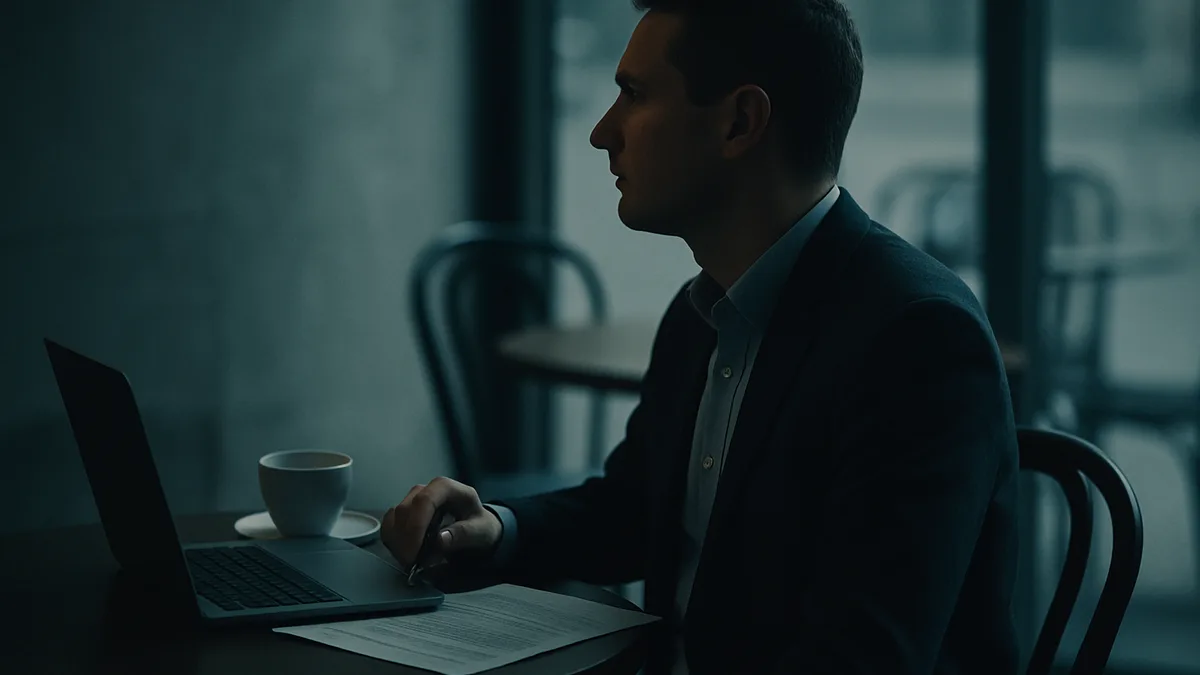
Pause before you share: why the first reaction matters
Viral claims are engineered to trigger emotion—outrage, fear, excitement, or a rush to warn friends. That emotional spike is exactly what makes false information spread faster than corrections ever can. The single most useful habit in fact-checking is also the simplest: pause before you share. A short delay gives your reasoning time to catch up with your reaction. Ask yourself why the post made you want to hit share. If the answer is 'because it made me angry' or 'because it confirms what I already believed,' treat that as a signal to slow down rather than speed up. Confirmation bias makes us less skeptical of claims that flatter our existing views, so the posts you most want to be true deserve the most scrutiny. Practically, this means giving yourself a rule: no sharing until you've spent at least two minutes checking. Two minutes is enough to spot most obvious hoaxes. During that pause, resist the urge to forward the item 'just in case' or with a caption like 'not sure if this is real, but...' Those hedges still amplify the claim to everyone who follows you, and most people only read the headline. Sharing is publishing, and a moment of restraint protects both your reputation and the people who trust your feed.
Identify the exact claim and what it actually says
Before you can check anything, you need to know precisely what is being asserted. Viral posts often blur several ideas together, mix opinion with fact, or state something narrow while implying something much bigger. Start by isolating the factual core: the part that can, in principle, be shown true or false. A headline reading 'City bans all gas stoves' might actually rest on a proposal that applies only to new construction, or only to one building type. The gap between the loud claim and the quiet detail is where most misinformation lives. Write the claim down in a single plain sentence, including the specifics: who, what, where, and when. Vague claims resist checking precisely because they are vague, so pin down the missing details. If a post says 'studies show' or 'experts warn,' ask which studies and which experts. If it quotes a statistic, note the exact number and the time period it supposedly covers. Distinguish the claim from its framing, too. A true fact can be paired with a misleading caption—a real photo with a false description, or accurate numbers presented without context. By separating the verifiable statement from the surrounding spin, you give yourself a clear, answerable question instead of a fuzzy impression.
Trace the claim back to its original source
Most viral claims arrive third-, fourth-, or tenth-hand, stripped of their origins. Your goal is to find the earliest and most authoritative version of the information. Screenshots are a warning sign here: a screenshot of a headline or a post removes the original context and can be edited or fabricated entirely. Whenever possible, find the actual article, official statement, study, or account being referenced, not someone's summary of it. If a post cites a government agency, a company, or a researcher, go look at what that organization actually published. Reports of a company recall, a policy change, or a scientific finding almost always have a primary document behind them. When you reach what looks like the source, check the date. Old stories are frequently recirculated as if they just happened, and a real event from years ago can be presented as breaking news. Also check whether the source exists at all: fabricated quotes are often attributed to real people who never said them, and fake outlets sometimes mimic the names and logos of legitimate ones. If you cannot trace the claim to any identifiable origin—if every trail ends at another anonymous repost—that absence is itself informative. Real events tend to leave real paper trails.
Check what credible outlets and fact-checkers report
Once you understand the claim and where it came from, see whether independent, reliable sources have addressed it. This technique is sometimes called lateral reading: instead of staying on the page that made the claim, open new searches to learn what others say about it. If something genuinely significant happened, multiple established news organizations will usually cover it, and their accounts should broadly agree on the core facts even if they emphasize different angles. A dramatic story reported by only one obscure site, and by no one else, warrants caution. Established fact-checking organizations are a valuable shortcut here, because viral claims often recycle. A hoax that spread last year may already have a detailed debunk you can find with a quick search of the key phrase plus a word like 'fact check.' When you read coverage, look for outlets that cite their sources, correct their mistakes, and separate reporting from opinion. Be wary of relying on a single source of any kind—cross-referencing several independent outlets guards against both errors and bias. Pay attention to consensus among sources that don't share owners or agendas. If reputable outlets, official records, and fact-checkers all point the same direction, that convergence is strong evidence. If they contradict the viral claim, that tells you something too.
Verify images, videos, and quotes for manipulation
Visual content is persuasive precisely because it feels like proof, which makes it a favorite tool of misinformation. The most common trick is not a doctored image but a genuine one used out of context: a real photo from a different country, a different disaster, or a different decade, relabeled to fit a new story. A reverse image search—uploading the picture to a search engine to find where else it has appeared—can reveal an image's true origin and first publication date. If a 'breaking news' photo turns out to have been online for five years, the claim collapses. For quotes, search the exact wording in quotation marks to see whether the person actually said it and in what context; fabricated or trimmed quotes can reverse a speaker's real meaning. Video requires extra care because clips are easily cut to remove context, sped up, slowed down, or captioned with false claims about what they show. Watch for edits, look for the fullest available version, and check whether the setting matches the claim. Be aware, too, that convincing synthetic images and audio now exist; look for unnatural details, mismatched lighting, or hands and text that don't render correctly. When a visual is the whole basis of a claim, verifying the visual is the whole job.
Watch for red flags of misinformation
Certain patterns show up again and again in false or misleading content, and learning to spot them speeds up your judgment. Emotional manipulation is the biggest one: content designed to make you furious or terrified is content designed to bypass your thinking. Watch for ALL-CAPS urgency, phrases like 'they don't want you to know' or 'share before it's deleted,' and demands to act immediately. Anonymous sourcing is another flag—claims attributed to 'a friend who works there' or 'insiders' with no verifiable identity. Check the account or site making the claim: is it new, does it have a track record, does it disclose who runs it? Look at the URL and outlet name for imitations of trusted brands. Grammar and spelling errors in something claiming to be an official announcement suggest a fake. Numbers presented without a source, comparison, or timeframe are easy to distort. Be suspicious of anything that offers a perfect, tidy narrative with clear villains, because reality is usually messier. Finally, notice if a claim asks you to distrust every mainstream source at once—that framing is a common way to insulate a falsehood from correction. None of these signs proves a claim false on its own, but several together strongly suggest you should keep digging before you believe or share.
Decide what to do when you still can't confirm it
Sometimes the honest answer after all your checking is 'I don't know yet.' That is a legitimate and important outcome. Not every claim can be verified quickly, especially breaking events where facts are still emerging and early reports often turn out wrong. The safest default when you cannot confirm something is simple: don't share it. Withholding an unverified claim costs nothing, while spreading one that turns out false costs your credibility and can genuinely mislead people. If you feel you must say something, you can share the uncertainty itself rather than the claim—noting that a story is circulating but remains unconfirmed, and pointing to the checking still underway. Keep an eye on how the situation develops, because reliable outlets update as they learn more, and today's unverified rumor may be confirmed or debunked tomorrow. If you already shared something and later find it was false, correct it openly; a visible correction does more good than quietly deleting the post. Building these habits over time makes you a more trustworthy node in your own network. The goal isn't to become cynical about everything, but to hold claims to a reasonable standard of evidence before passing them on—believing true things and doubting false ones, in the right proportion.
Example
A quick fact-checking checklist for viral claims
| Step | What to do | Warning sign |
|---|---|---|
| Pause | Wait before sharing; notice your emotional reaction | You feel urgent outrage or excitement |
| Define the claim | State the exact factual assertion in one sentence | The claim is vague or mixes fact with opinion |
| Find the source | Trace to the original document, study, or statement | Only screenshots or anonymous reposts exist |
| Cross-check | See if multiple credible outlets and fact-checkers agree | Reported by only one obscure site |
| Verify visuals | Reverse image search photos; check quote wording and video context | Real image used out of context or old date |
| Spot red flags | Look for manipulation, imitation sites, unsourced numbers | 'Share before deleted,' all caps, no sourcing |
| Decide | If unconfirmed, don't share; correct past mistakes | Pressure to spread it 'just in case' |
FAQ
How long should fact-checking a viral post take? Often just a few minutes. A quick pause, a search of the key phrase, and a look at whether reputable outlets are reporting the same thing will catch most obvious hoaxes. More complex or breaking claims may take longer, and some can't be confirmed right away—in which case the right move is simply not to share until you know more.
What is a reverse image search and how does it help? It's a way to find where an image has appeared online by searching with the picture itself rather than words. This is useful because much visual misinformation is a genuine photo used out of context. If a supposedly new photo has been online for years or comes from a different event, the reverse search reveals it and the claim falls apart.
Is it enough to check one trusted news source? Cross-referencing several independent sources is safer than relying on any single one, even a trusted one. Look for agreement among outlets that don't share owners or agendas, and check whether primary documents or fact-checkers back up the reporting. Convergence from multiple independent sources is much stronger evidence than a single account.
What should I do if I already shared something false? Correct it openly. Post a follow-up noting the mistake and linking to accurate information rather than quietly deleting the original. A visible correction reaches the people who saw the false claim and helps rebuild trust. Owning an error does more good than pretending it never happened.
Read next
Read more